Emissions reporting and compliance in 2026: All you need to know (EU)

Staying ahead of sustainability regulations doesn’t have to be complicated. In this article, we outline the key emissions-related requirements coming into force across the EU and explain how early alignment can help you stay competitive, reduce costs, and deliver the accurate data your customers will increasingly expect.

Read this article in Spanish here.
{{highlight-text}}
Compliance requirements in 2026: what’s changing or entering into force?
New sustainability-related regulations are being introduced and adapted every year, and it’s not always clear which ones apply to you or when they come into force. Even if you’re not directly required to report, your customers likely are, and they’ll expect you to provide accurate data for their disclosures.
That’s why we wrote this article breaking down the main emissions-related requirements for companies operating in the EU and how early compliance can help you gain a competitive edge.
Omnibus I simplification package
The Omnibus I package simplifies and clarifies sustainability reporting obligations across several major EU directives. After almost a year of negotiations, the process is now complete. The Omnibus I Directive was published in the Official Journal of the EU in February 2026.
Under the Omnibus I package, the CSRD and CSDDD now apply to fewer and larger companies than originally planned. Large enterprises are also limited in the sustainability information they can request from smaller suppliers (those with fewer than 1,000 employees), but they can (and will) ask for data covered by voluntary standards like the VSME, including GHG emissions data.
CSRD
Under Omnibus I, the Corporate Sustainability Reporting Directive (CSRD) applies to fewer companies than originally planned, in line with these revised thresholds for EU companies:
- €450 million net turnover [applies to non-EU companies too]
- More than 1,000 employees
In 2025, the EU agreed to delay application of CSRD for Wave 2 companies (i.e. those that fall within the above thresholds) under the ‘Stop-the-clock’ mechanism. These companies will publish their first CSRD report (aligned with ESRS standards) in 2028 for the previous financial year.

While fewer companies will be directly in scope in the short term, customers that remain in scope will still need high-quality, audit-ready emissions data from their supply chain partners, and so you must be able to provide this even if you don’t reach the thresholds. Voluntary standards like the VSME and CountEmissionsEU help provide guidance on this.
CSDDD
The Corporate Sustainability Due Diligence Directive (CSDDD) is also narrowed under the Omnibus package so that it focuses on only the very largest EU and non-EU companies that meet these thresholds:
Large EU limited liability companies & partnerships:
- More than €1.5 billion in net turnover globally
- More than 5,000 employees
Large non–EU companies:
- More than €1.5 billion in net turnover in the EU
Even though most companies will not fall under CSDDD directly, they will continue to feel the indirect effects as large customers are obligated to understand environmental and human rights risks in their value chain and will request accurate information from their suppliers.
Non-compliance with CSDDD can lead to fines of up to 3% of a company’s global net turnover, applied at national level.
Emissions Trading System 2 (ETS2)
The Emissions Trading System will be extended to road transport starting in 2028 (originally planned for 2027) under ETS2. This means fuel suppliers will need to pay for the carbon generated by diesel and petrol used in road transport.
To support the transition, the EU is making ETS2 carbon revenue available in 2028, to better fund and support the transition to clean technologies, such as EVs and charging points, and is also giving the ETS2 Market Stability Reserve more power to drive price stability and predictability in the short- and long-term.
Any company with transport activities in their supply chain will be affected, so we recommend you accurately track your fuel consumption, costs, and emissions now so that you can understand your current position, and can then start taking action to reduce your emissions to protect against transport cost increases when ETS2 comes fully into force.
Transport mode-specific regulations
There are also some regulations that apply to certain transport modes only, such as FuelEU Maritime which applies to maritime transport and ReFuelEU aviation which applies to air transport.
FuelEU Maritime
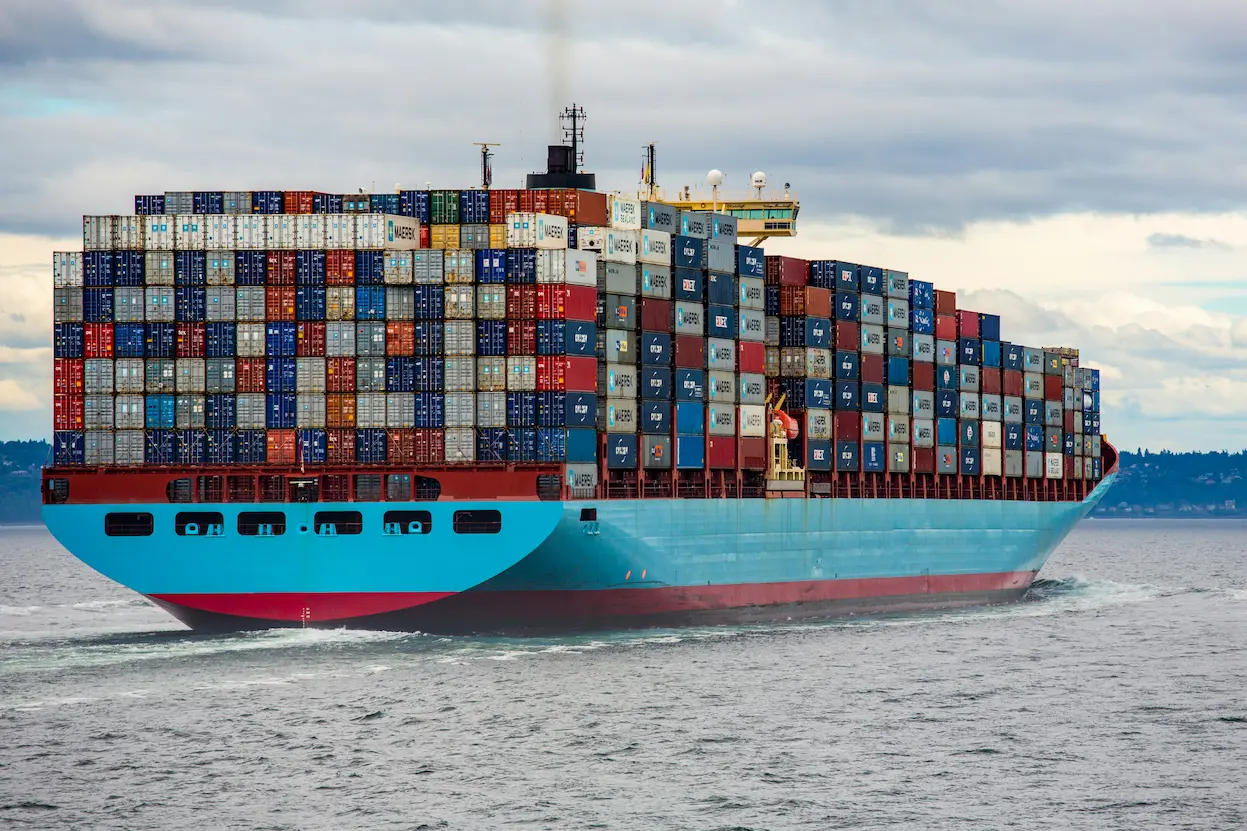
FuelEU Maritime applied from 1 January 2025 and requires ships calling at EU ports to reduce the greenhouse gas intensity of the energy they use, setting maximum limits for yearly average GHG intensity of ships above 5,000 gross tonnage. It also introduces gradual measures such as requiring passenger and container ships at berth or moored at the quayside to use on-shore power supply (OPS) or alternative zero-emission technologies from 2030.
This pushes carriers toward cleaner marine fuels, shore-side electricity, and other low-carbon technologies, and makes accurate measurement of emissions from maritime transport even more important. Tools that help operators to evaluate different fuel scenarios and their impact on emissions will also be valuable and support better fleet investments.
ReFuelEU aviation
Similarly, ReFuelEU aviation also takes effect from 2025 and introduces mandatory minimum shares of sustainable aviation fuel (SAF) for all flights departing EU airports. These SAF quotas increase over time and are supported by penalties for non-compliance.
Companies using air freight to transport their goods—directly or through a LSP—may feel the effects already through higher prices or route adaptations.
EU Taxonomy for Sustainable Activities
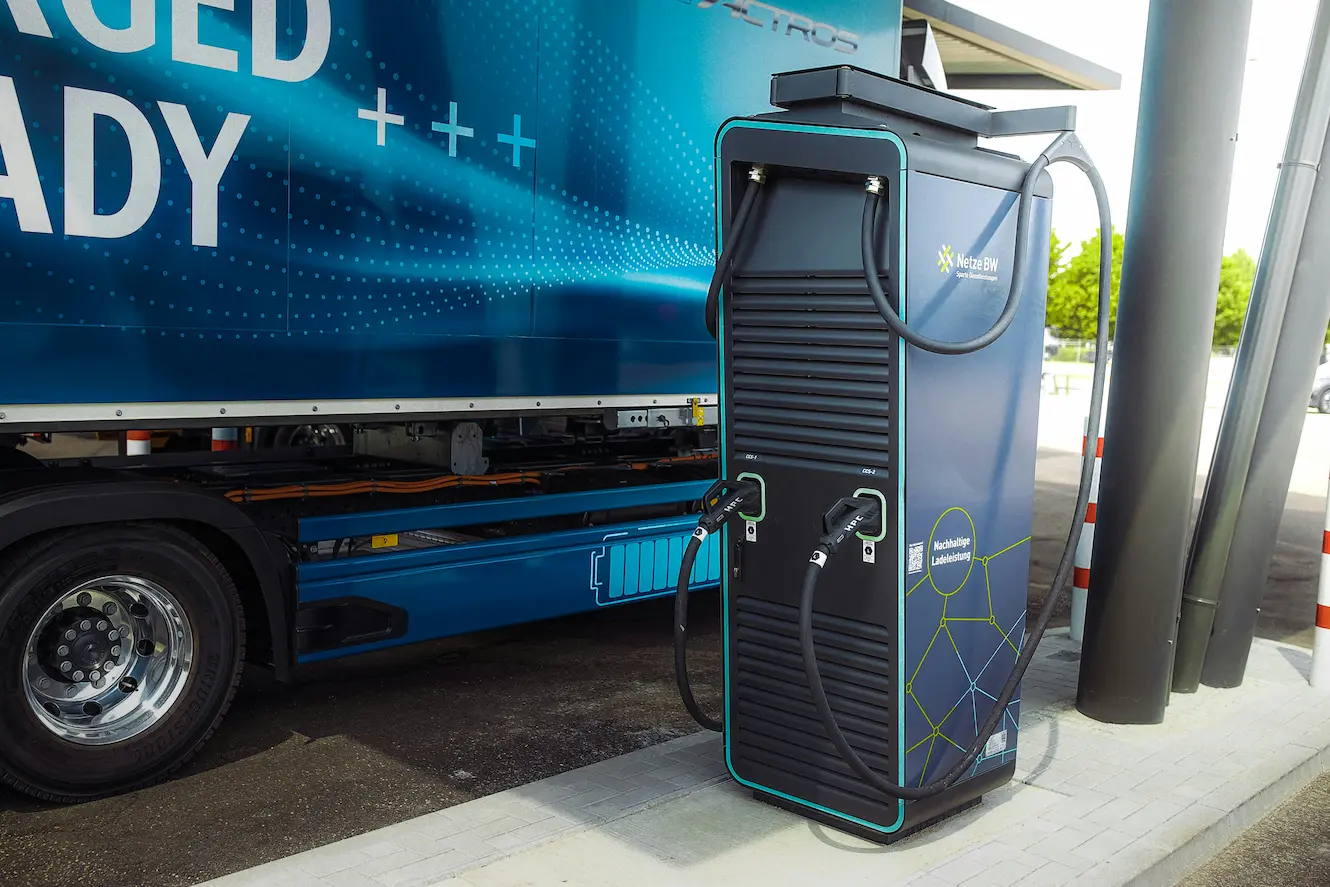
The EU Taxonomy is the EU’s classification system for determining whether an economic activity is environmentally sustainable. Its aim is to reduce greenwashing and guide investment toward activities that genuinely support the EU’s climate and environmental objectives. This affects whether investments such as electric trucks, charging infrastructure, warehouse upgrades, or low-carbon fuels qualify as “sustainable”.
If CSRD applies to your company, you will need to report the share of your activities that meet Taxonomy criteria. If you’re not in scope, aligning your investments with the Taxonomy can still help strengthen your sustainability credentials and improve access to financing. Read more about EU Taxonomy in our previous blog.
Voluntary standards and why you should align with them
Even if you’re not directly in scope for mandatory sustainability reporting, you will almost certainly be asked to provide sustainability and emissions data to customers that are. That’s where voluntary standards play an important role by guiding you on what data points to collect, how to structure your data, and how to ensure compliance with global best practices.
VSME standard
The Voluntary Sustainability Reporting Standard for SMEs (VSME) was introduced to help smaller companies provide accurate, consistent sustainability information to their customers, without huge manual effort or outsourcing work to consultants. Aligning your sustainability efforts with the VSME:
- Makes customer questionnaires faster and easier to complete
- Ensures you collect and provide the right level of information without over-reporting
- Gives you insights that help you reduce your carbon footprint
- Builds readiness in case your business grows into CSRD scope later
CountEmissionsEU
CountEmissionsEU was introduced to establish a single EU-wide calculation method for GHG emissions from transport, and was agreed at European Council and Parliament level in Q4 2025. This makes it way easier for companies to accurately calculate emissions, compare transport options and make more sustainable choices.
It applies to all transport modes (road, rail, sea, air), prioritizes use of primary data over estimates, and is based on global standards like the GLEC framework and ISO 14083. While publishing information on GHG emissions by freight and passenger transport services will remain voluntary, if a company decides or is asked to calculate and disclose information on its GHG emissions, it will need to comply with the CountEmissionsEU framework.
If you’re already calculating emissions for your operations, ensure it’s aligned with CountEmissionsEU guidance, or if you’re a BigMile user you can rest assured you’re already compliant.
Lean & Green stars
Lean & Green is one of Europe’s most recognized voluntary programmes for reducing logistics emissions. Companies progress through one to five “stars” based on their ability to measure, reduce, and verify emissions savings over time.
The program is not a legal requirement in any jurisdiction, but Lean & Green stars are increasingly being used by enterprises and public bodies in tender documentation. Participating in the program also helps you identify ways to reduce your carbon footprint and learn from your peers at events and webinars.
National sustainability requirements
Some countries have started introducing their own requirements for sustainability, which often apply to any company operating in the jurisdiction rather than just locally-registered companies. We’ll cover more country-specific requirements in the future, but you can read about how Spain is mandating carbon footprint reporting in this article on Real Decreto 214/2025.
Benefits of early compliance with sustainability requirements
While it can be tempting to postpone taking any action until the reporting deadlines get closer or the regulations apply directly to your company, if you do this you’ll miss out benefits that impact your efficiency and your bottom line:
- Win more tenders: improve your success rate in tenders by meeting growing customer expectations for transparent, high-quality emissions data
- Cut costs: identify inefficiencies early by having more visibility of your sustainability performance, and make changes to reduce your OpEx e.g. reducing empty miles
- Avoid first-year reporting stress: build your processes now with automated workflows and reporting tools, so reporting to customers, stakeholders, or authorities becomes far less manual and time-consuming
- Strengthen your reputation: provide accurate sustainability data when clients request it and build a reputation as a sustainable, low-emissions supplier
How to get started with carbon accounting software
If you’re looking for a solution to help you get prepared for reporting and reducing your emissions, then look no further than BigMile. Our carbon accounting software and Emissions API help you easily track, calculate, and report emissions while ensuring full alignment with leading industry standards like the GLEC Framework, ISO 14083, ISO 14064, and CountEmissionsEU.
This means you can:
- Automatically collect and analyze emissions data
- Get data-driven insights on how to reduce your emissions
- Generate reports that meet EU reporting requirements
- Transparently provide emissions data to your customers
Want to learn more? Book a demo with one of our experts.
Experienced logistics professional Oliver Rebollo is a Senior Account Executive at BigMile, helping companies around the world get started with calculating, understanding, reporting on, and reducing their CO₂e emissions.
In short: 2026 sustainability requirements for companies with operations in the EU
In Europe, the main emissions-related reporting and compliance requirements are: CSRD, CSDDD (both impacted by the Omnibus I), EU Taxonomy, EU ETS2, VSME, FuelEU Maritime, ReFuelEU Aviation, and CountEmissionsEU.
We’ll go through each requirement in more detail later on, but if you don’t have time to read the full article, here’s a quick summary of each requirement and the impact it has on your operations: